Studying abroad in Galway, Ireland could be the key to the creative traveler’s heart. After all, Galway is considered the cultural heart of Ireland. The city is especially known for its devotion to Irish music, song, and dance and its celebration of creativity. Literature, film, theater, and live music all constitute a good percentage of Galway’s unique character. Therefore, students of the arts might love studying abroad in Galway.
Students of other areas might also love studying abroad in Galway. Galway is a modern city with a well-developed economy. The city is chock full of museums, galleries, and historical landmarks. And its government provides an array of services to Ireland’s fourth most populous area. Students across disciplines may find their subject in action in Galway.
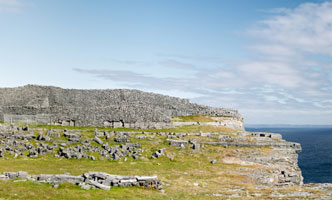
And, Galway lives alongside the sea, so sea-lovers may gain immense satisfaction from its distinctly nautical feel. Walks along the ocean, cliffs high over the sea, and oceanic weather all make its location memorable. Inland, Galway’s colorful, densely-stacked homes and other buildings, bridges, and greenery make the city beautiful and intriguing. Galway is somehow quaint but expansive, busy but slow. It could be the perfect place to go to class, develop a routine, and settle into Irish scenery and culture.
Study Abroad Programs in Galway
Study abroad programs in Galway invite students into a potentially rich and rewarding experience. Many universities in Galway offer classes taught in English, but, because many people speak Irish in Galway, learning Irish might be an option too. Plus, Galway offers lots to see and enjoy. Architecture that spans eras decorates the streets, and countless castles, cathedrals, and pubs invite visitors to enjoy a cultural and celebratory experience.
If you plan to study literature or Irish language and literature, Galway might provide a fantastically satisfying environment in which to do so. Numerous Irish and English language poets and authors write in Galway or claim Galway as their place of origin and inspiration. Libraries throughout the city, especially the James Hardiman Library at the National University of Ireland Galway branch, provide sacred cover for numerous collections, archives, and publications. Literary magazines, such as The Galway Review, Crannóg Magazine, and ROPES, publish literature, poetry, and students’ writings and allow readers to dive into Irish works.
If you plan to study film or theater in Galway, you might be equally pleased with your surroundings. Galway boasts Irish language theaters, modern art theaters, performance arts theaters, and more. Students might use them to enjoy ballets, musicals, operas, film festivals, Irish film premiers, and a variety of other types of performance art. In 2014, Galway was even name a City of Film by UNESCO.
Music students (and those who simply love music) might frequent Galway’s pubs, theaters, and other music venues to enjoy live classical, choir, traditional Irish, and other types of music. Live performances on the streets are common, and music festivals may happen throughout the year in Galway.
Ecology, environmental science, and botany and plant science students may enjoy Galway’s more natural side. Simple walks along the prom in Salthill and the River Corrib and visits to Coral Beach and Connemara National Park could prove immensely satisfying. The National Aquarium and the Blackrock Diving Tower might be equally cool to visit.
Galway’s charm and potential certainly doesn’t end with students in these majors. Galway boasts beautiful architecture, gorgeously quaint streets and walkways, and a charm unique to Ireland. Even if your desire to go to Galway has nothing to do with your particular major, you’re likely to have a wonderful and fulfilling time.
Studying Abroad in Galway: the Basics
Studying abroad in Galway doesn’t have to look any one way. Programs of different durations, subject matters, and structures help students find their perfect programs. Perhaps you want to study abroad for a semester, a summer, a break, or even a full year. Maybe you want to take classes to earn potential major, minor, or general education credits. Perhaps you want to participate in a program that helps you learn Irish, connect with local people, or sight-see in Ireland and beyond. Depending on the program, you might be able to fulfill some or all of your needs. Simply explore your options! You'll find many listed below.
If you’re a graduate student, know that we might also have options for you! Many graduate students assume that they’ve missed their chance to study abroad in Galway. However, depending on your major, heading there to pursue credits or even a degree might be an option. Simply drop down the menu under “undergraduate,” select “graduate,” and explore your options.
I Am Interested in Studying Abroad in Galway. What’s Next?
Now it is time to take action! Studying abroad in Galway could be a stone’s throw away. Explore our site using our search tools and browse through our sponsored programs below. When you find your perfect program, contact it through our website to ask questions and get more information. Then, talk to a counselor at your home school to learn if the program credits will transfer. Once you get the okay, jump right in! There is no time like now to embark on a fun and stimulating adventure in this celebratory city!
By the way, do you need help paying for your study abroad experience? If so, explore our section that describes scholarship options for studying abroad.